Growing Solutions Restoration Education Institute
2026 Growing Solutions Update
Getting back to Basics
Hello Growing Solutions Friends and Supporters,
What a start to the new year! Despite the current political milieu overshadowing, and impeding, the positive impacts of environmental groups, Growing Solutions continues our work in ecological restoration and regenerative agriculture.
We are thrilled to share Yurok tribal youth have paddled the length of the Klamath River for the first time since the removal of the dams. They represent a huge milestone in the effort to restore salmon runs. Paddling the Klamath: What Happens to a River when the Dams Are Gone?
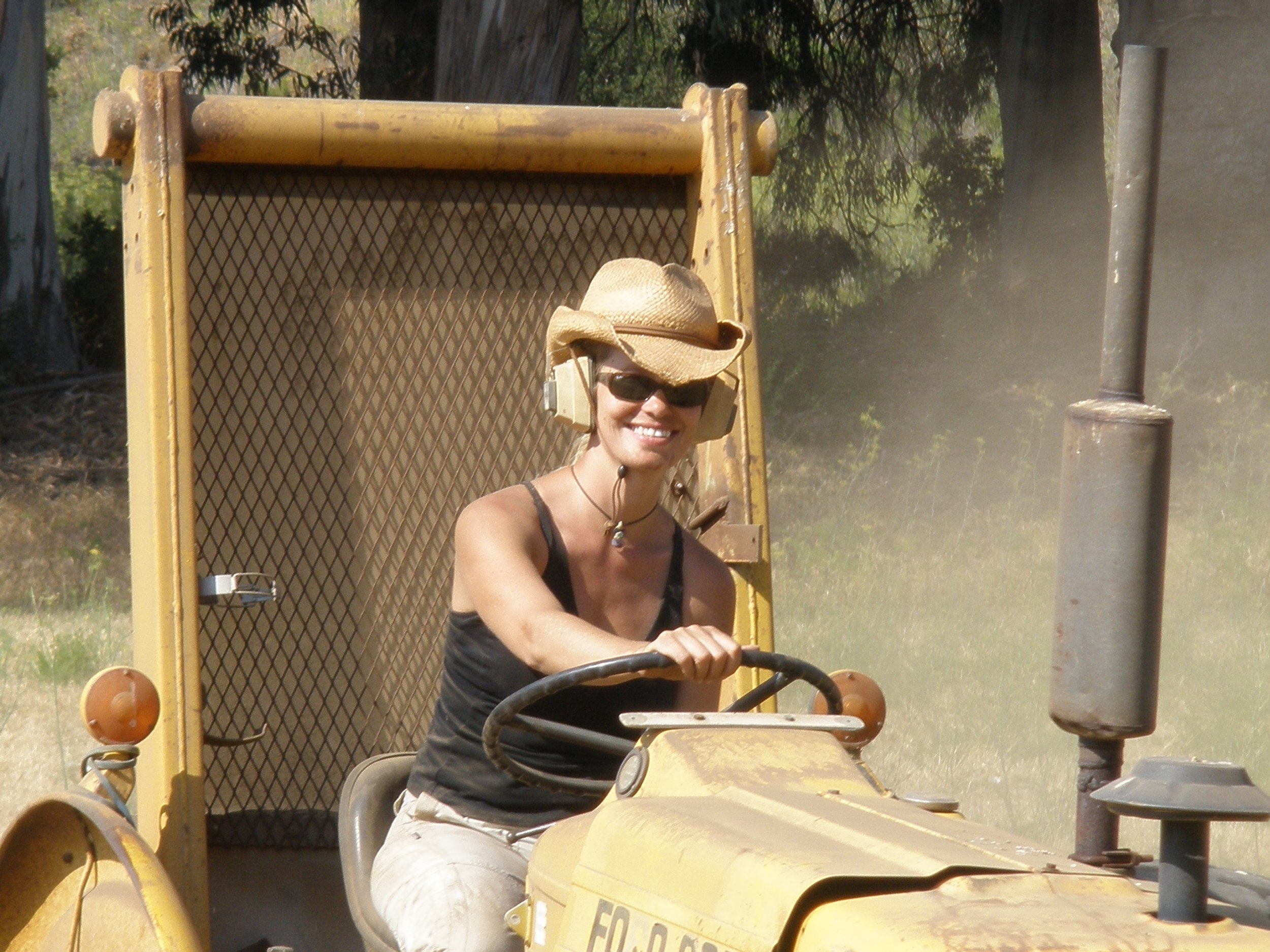
Now in our sixth year transitioning our farm from “conventional” agriculture to regenerative agriculture, we are modeling what a truly sustainable agricultural economy means. Since the end of WWII, “modern” agriculture practices continue to poison our soils with synthetic fossil fuel-based fertilizers, herbicides, and pesticides. In pre-WWII eras, most American farms produced multiple crops that were integrated into one agroecosystem. If you had a bad year with one crop another crop would help you get through until the next season. These post-war changes have led to the major farming crisis America currently faces. High input costs, poor commodity prices, and reliance on monocropping has left farmers, with only one revenue stream, on a never-ending treadmill resulting in more fossil fuel inputs as the soil deteriorates.
When we started our transition to organic, our field’s organic matter was next to zero. We are now getting close to five percent organic matter. It’s a very slow process that requires cover-cropping, composting, and integrating livestock grazing to control weeds and add much needed nitrogen to our soils.
In an area dominated by monocultures of wheat, we are experimenting with alternative crops that do well in our area. One good possibility is the hardy, drought-tolerant tree crop, quince, which bears an aromatic golden-yellow fruit a bit bigger than an apple. Another, Kernza, is a perennial grain developed by the Land Institute. This crop, if widely used, would eliminate the need to plow fields. This is a huge benefit to soil health as plowing disrupts soil micro flora and fauna, leaving the soil open and susceptible to erosion.
We are currently seeking funding for a 1,086 linear foot hedgerow along the edge of the organic field. Once in place on the property, the planned hedgerow will block wind, holding the soil in place, modify and create microclimates suitable for increased diversity of insects, birds, and other small animals, in the end, we also reduce need for chemicals. Demonstrating for surrounding farms how integration of complimentary methods creates positive loop synergy.
Another promising change catching our attention are artisan millers, who in the interest of sustainability, are expanding their efforts to sell flour to health-conscious consumers. Much of our wheat is bound for the export market in Asia. We see these small artisan millers as a possible solution to the miasma surrounding American food production. Local markets. Healthy Food. “You are what you eat.”
With all this to work towards, we feel hope for a productive 2026. Happy New Year to All
Don and Karen
Restoration * Stewardship * Community
News
All the latest from the Thin Green Line of cutting-edge restoration ecology, and sustainable agriculture....